

Bangladesh is a land of Tigers where nature thrives in remarkable diversity, offering a unique blend of lush rainforests and mysterious mangrove ecosystems. Despite its relatively small size, the country is home to some of South Asia’s most significant natural habitats, rich in wildlife and ecological importance.
The rainforests and mangrove forests of Bangladesh are not just natural landscapes—they are living, breathing ecosystems that define the country’s environmental identity. From the calls of gibbons echoing through rainforest canopies to the silent movement of tigers in the mangroves, Bangladesh offers an unforgettable journey into the wild. Protecting these habitats is not only vital for wildlife but also for the resilience and sustainability of the nation itself.
The Evergreen Rainforests
The tropical rainforests of Bangladesh are mainly found in the northeastern and southeastern regions, particularly in Sreemangal and the Chittagong Hill Tracts. These forests are characterized by dense greenery, rolling hills, and a humid climate that nurtures an extraordinary variety of flora and fauna.
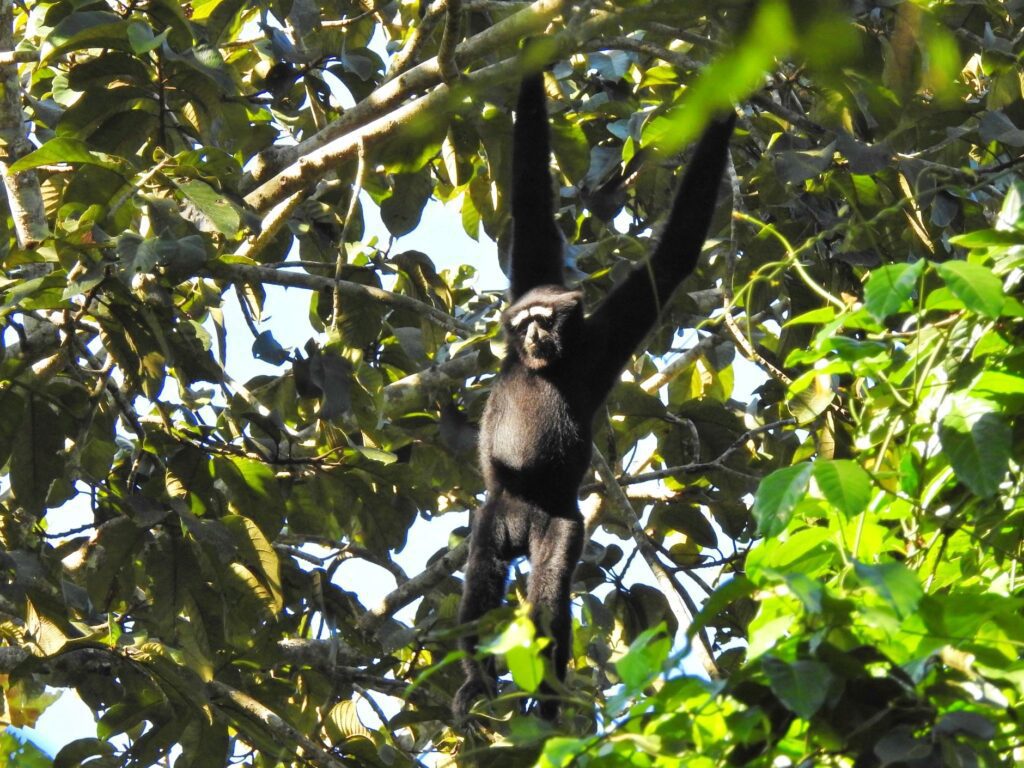
One of the most prominent rainforest areas is Lawachara National Park. This forest is a sanctuary for endangered species such as the Western hoolock gibbon, the only ape found in Bangladesh. Visitors may also encounter capped langurs, barking deer, and a wide range of bird species, including hornbills and drongos.
Another important rainforest is Satchari National Park, known for its biodiversity and tranquil atmosphere. These forests are layered with towering trees, thick undergrowth, and intertwined vines, creating a complex ecosystem that supports insects, reptiles, amphibians, and mammals.
The rainforests also play a crucial role in maintaining ecological balance. They act as carbon sinks, regulate rainfall patterns, and support indigenous communities who depend on forest resources for their livelihoods.
The Enigmatic Mangrove Forest
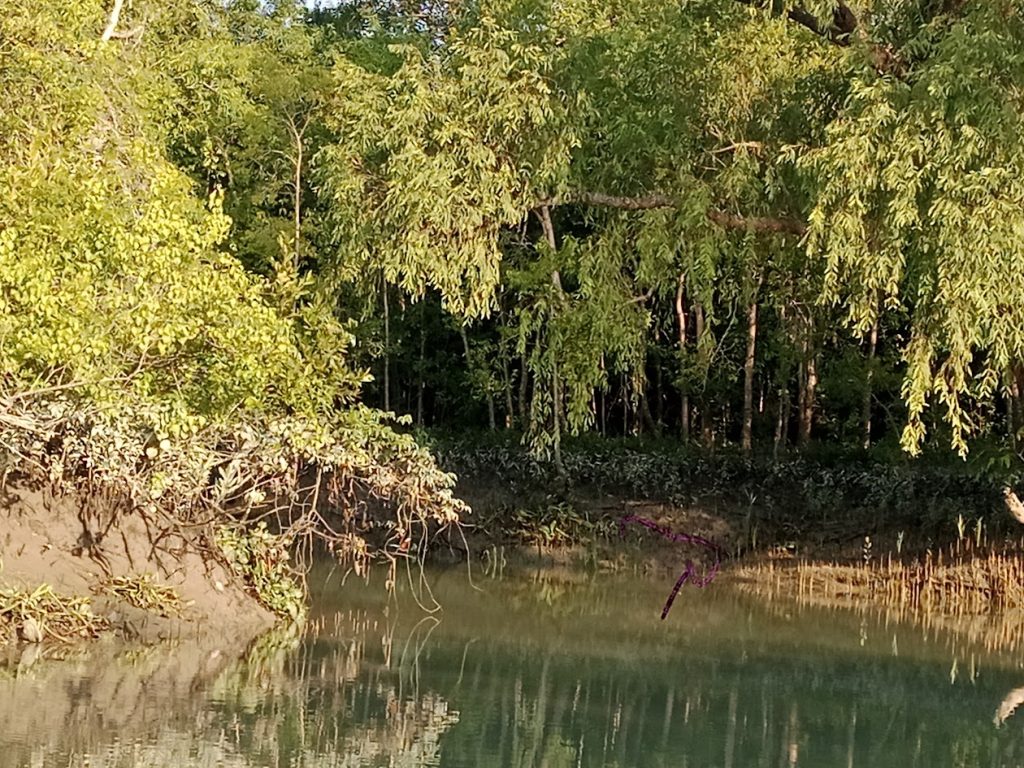
In stark contrast to the hill forests, the southwestern region of Bangladesh hosts the world’s largest mangrove forest, the Sundarbans. This UNESCO World Heritage Site is a vast network of tidal waterways, mudflats, and salt-tolerant trees.
The Sundarbans is most famous as the home of the majestic Bengal tiger, a symbol of power and resilience. These tigers are uniquely adapted to the mangrove environment and are strong swimmers, often navigating the forest’s waterways in search of prey.
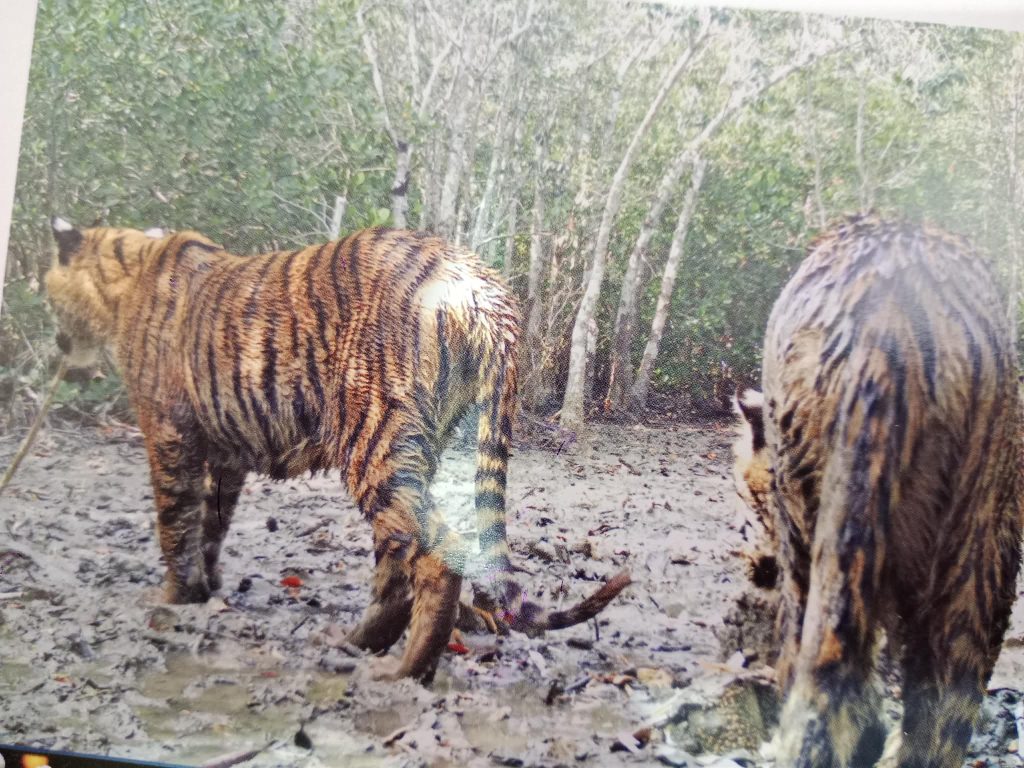
Apart from tigers, the Sundarbans shelters a variety of wildlife including spotted deer, wild boars, otters, estuarine crocodiles, and river dolphins. The forest is also rich in birdlife, with species like kingfishers, herons, and eagles thriving in its watery landscape.
Mangrove trees such as the sundari (from which the forest gets its name) are specially adapted to survive in saline conditions. Their complex root systems not only stabilize the coastline but also protect inland areas from cyclones and tidal surges, making the Sundarbans a natural shield against climate change impacts.
A Land of Ecological Harmony
The coexistence of rainforests and mangrove forests makes Bangladesh ecologically unique. While the rainforests support life on elevated terrains with freshwater ecosystems, the mangroves thrive in saline, tidal environments. Together, they form a natural mosaic that sustains countless species and human communities.
However, these ecosystems face significant threats from deforestation, climate change, and human encroachment. Conservation efforts, sustainable tourism, and community awareness are essential to preserving these natural treasures for future generations.
RELATED TOURS