
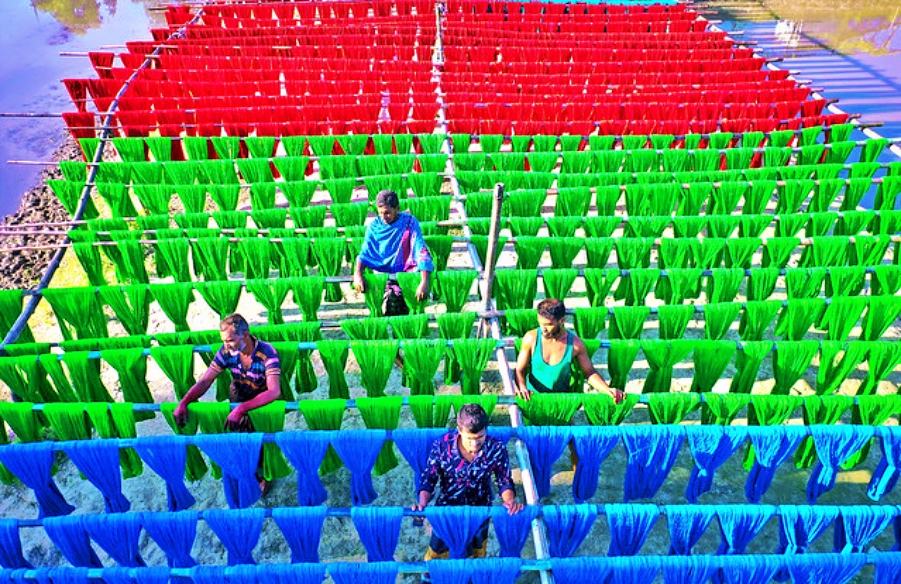
Bangladesh is a land where history, tradition, and everyday life are deeply intertwined, creating a vibrant cultural heritage shaped over thousands of years. From ancient civilizations of Gangaridai to modern expressions, the country offers a rich mosaic of traditions that continue to define the identity of its festival-mood people.
The cultural heritage of Bangladesh is a harmonious blend of ancient history, linguistic pride, artistic expression, and communal harmony. It is a living legacy that continues to evolve while preserving its roots. For travelers and scholars alike, Bangladesh offers not just a glimpse into the past, but an immersive experience of a generation owned practice and culture that thrives in the present.
The Roots of Heritage
The cultural heritage of Bangladesh dates back to ancient Bengal, influenced by Earliest settlement of Gangaridai kingdom, powerful dynasties such as the Maurya Empire, Gupta Empire, and Pala Empire. These periods left behind remarkable archaeological sites like Mahasthangarh, one of the 2nd oldest urban settlements in the region, and Somapura Mahavihara, a UNESCO World Heritage Site that reflects the glory of Buddhist learning.
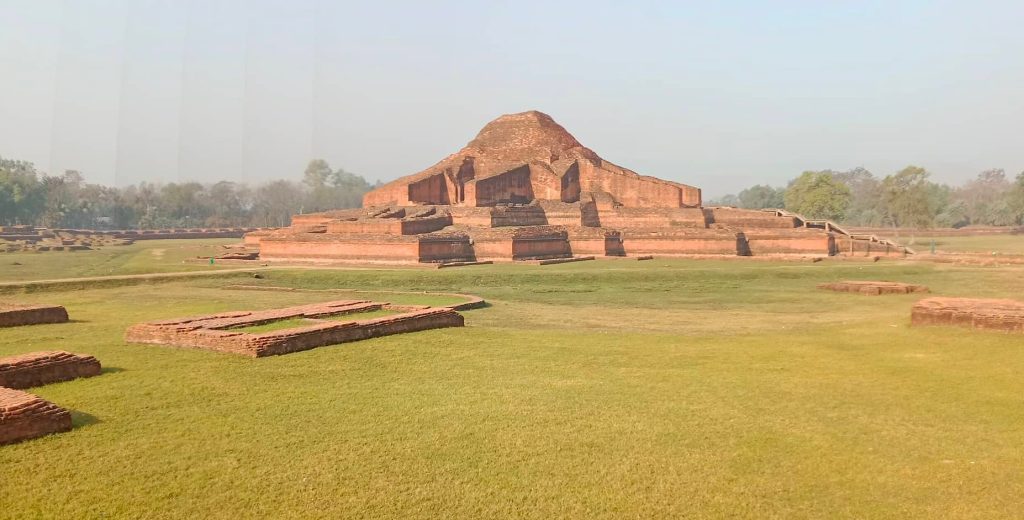
The later Mughal era enriched Bengal with Islamic architecture, seen in landmarks like the Sixty Dome Mosque, another UNESCO-listed site, showcasing unique terracotta and brick craftsmanship.
Language and Identity
Language is at the heart of Bangladesh’s cultural heritage sources from Pandith Vihara. The Bengali language movement of 1952, commemorated annually on International Mother Language Day, symbolizes the people’s deep emotional connection to their mother tongue. This historic struggle laid the foundation for national identity and pride.
Festivals and Traditions
Bangladesh is a land of festivals, where festival-mood people celebrate life with color, music, and unity. The most vibrant celebration is Pohela Boishakh, marking the Bengali New Year with traditional processions, music, and fairs. The famous “Mangal Shobhajatra” in Dhaka is recognized by UNESCO as an intangible cultural heritage.
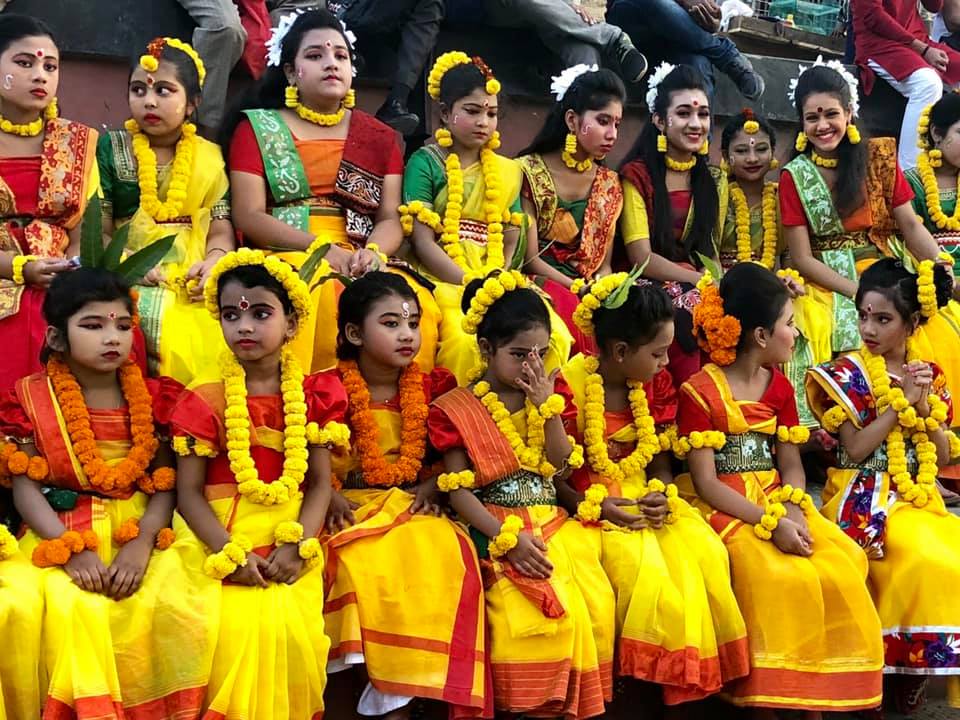
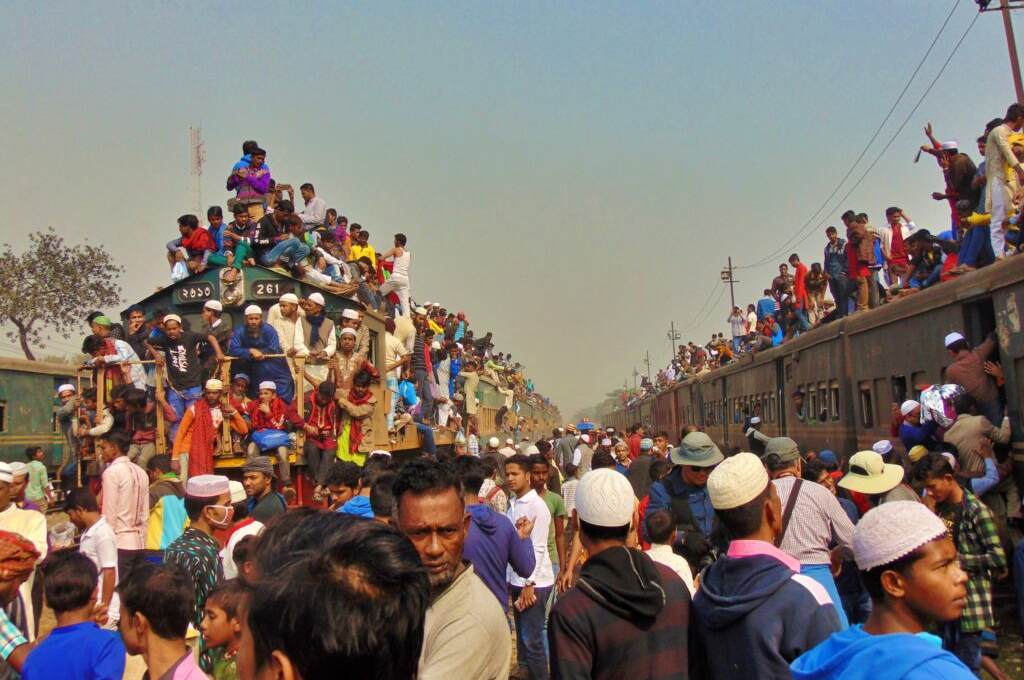
Religious festivals such as Eid al-Fitr and Durga Puja, candle light fasting festival, Charak puja, Biswa Ijtema Islamic pilgrimage festival-mood congregation etc. reflect the country’s cultural diversity and harmony among communities.
Folk Traditions and Arts
Bangladesh’s cultural richness shines through its folk traditions. Music forms like Baul songs, performed by mystic minstrels, express spiritual philosophy and love. Traditional crafts such as weaving, pottery, and terracotta art continue to be practiced in rural areas, preserving generational skills.
The art of Nakshi Kantha tells stories through intricate stitching, often depicting rural life, folklore, and nature.
Cuisine and Lifestyle
Bangladeshi cuisine is an essential part of its cultural identity. Staple foods like rice and fish, especially hilsa, are central to daily life. Traditional dishes such as Panta Ilish are especially popular during festivals like Pohela Boishakh.
Hospitality is a defining trait of Bangladeshi culture, where guests are treated with warmth and generosity, reflecting deep-rooted social values.
Living Heritage
What makes Bangladesh unique is that its heritage is not confined to museums or monuments—it is alive in everyday life. From the bustling streets of Old Dhaka to the serene villages along rivers like fishing with trained otters, floating market, drying fish, traditions are continuously practiced and passed down through generations.
RELATED TOURS