
Bangladesh people’s culture and generation owned practices
Bangladesh is a living mosaic of deeply rooted traditions where everyday life still reflects centuries-old practices performed by hands passed down through generations representing a different world where tradition and survival go hand in hand—making Bangladesh one of the richest cultural landscapes in South Asia. The culture is shaped by rivers, agriculture, weaving, religion, and community bonds—creating a unique blend of heritage and resilience.
Bangladesh Expeditions organize Peoples Culture Photography Expeditions throughout Bangladesh – https://expeditions-bd.com/tour_packages/peoples-culture-photo-tour/
🌾 People’s Culture of Bangladesh
The cultural identity of Bangladesh is strongly influenced by the Bengal region’s history, language, and rural lifestyle.
- Community & Hospitality: Villages remain the heart of society, where people live closely connected. Guests are warmly welcomed, often with traditional food and tea.
- Festivals & Celebrations: Festival-mood Events and reflect religious harmony and vibrant traditions.
- Folk Music & Arts: Baul songs, boat songs, and village theatre carry philosophical and spiritual messages, often performed in rural gatherings.
🛠️ Generation-Owned Practices
Across Bangladesh, many livelihoods are still family-based and skill-driven, preserved over generations:
1. Traditional Agriculture
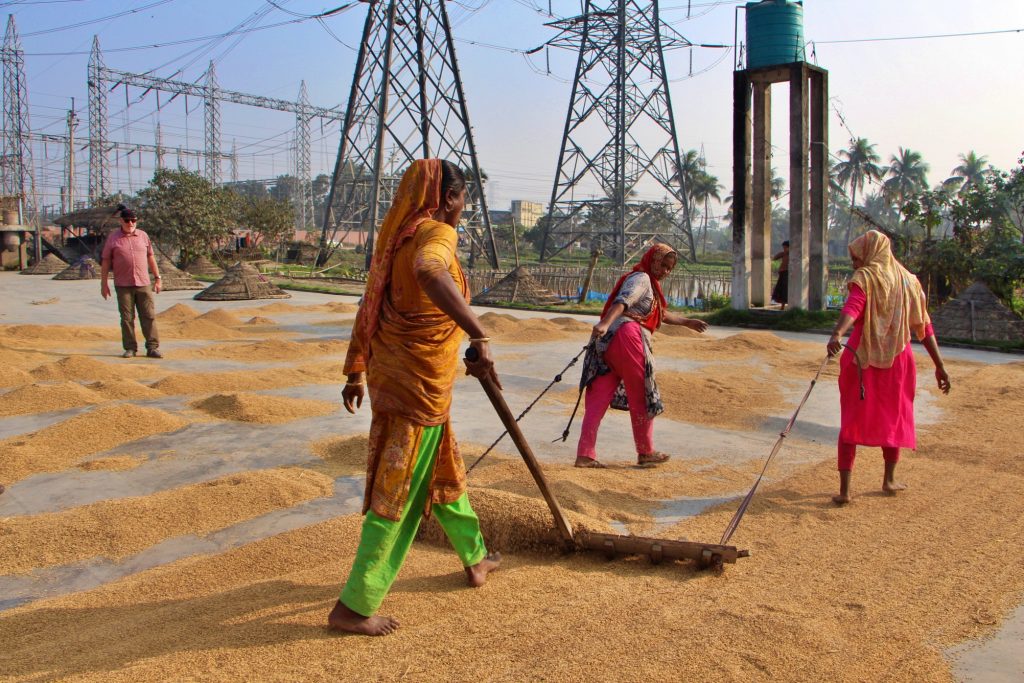
- Rice farming remains the backbone of rural life.
- Methods like hand planting, harvesting, and drying are still practiced in many areas.
2. Fishing Heritage
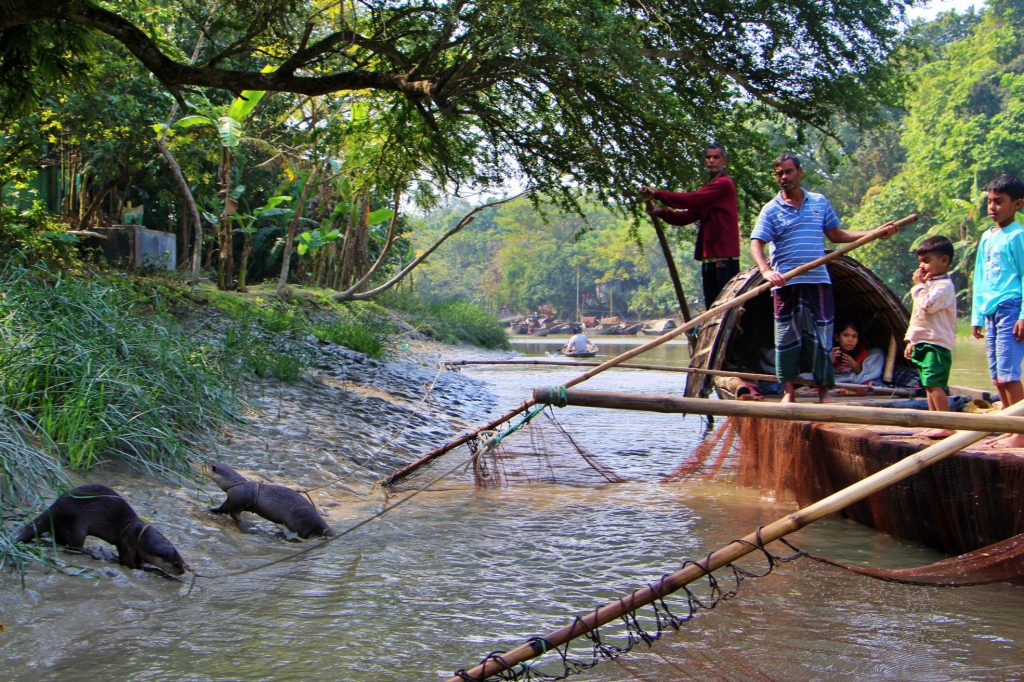
- River and coastal fishing techniques are passed from father to son.
- Unique practices like otter fishing in Narail show rare human-animal cooperation.
3. Handicrafts & Cottage Industries
- Weaving: Jamdani sarees (a UNESCO-recognized craft) are handwoven with ancestral techniques.
- Pottery: Villages produce clay pots, often using the same wheel designs for centuries.
- Boat Making: Wooden boat craftsmanship is still alive in riverine communities.
4. Rural Industries
- Brick-making, salt farming, and traditional textile dyeing rely on manual labor and inherited knowledge.
- Shipbreaking yards (especially in Chattogram) involve generations of workers adapting traditional skills to modern industry.
5. Markets & Trade Traditions
- Floating markets in Barisal and open-air rural bazaars reflect age-old trading systems.
- Farmers, fishermen, and artisans directly sell their goods, maintaining a human connection in commerce.
🌿 Cultural Values Behind These Practices
- Self-reliance: Families pass down skills to sustain livelihoods.
- Respect for Nature: Rivers, seasons, and land dictate lifestyle and work cycles.
- Collective Identity: Work is often communal—harvesting, fishing, and festivals involve entire communities.
✨ Why It Matters Today
- Sustain millions of rural livelihoods